
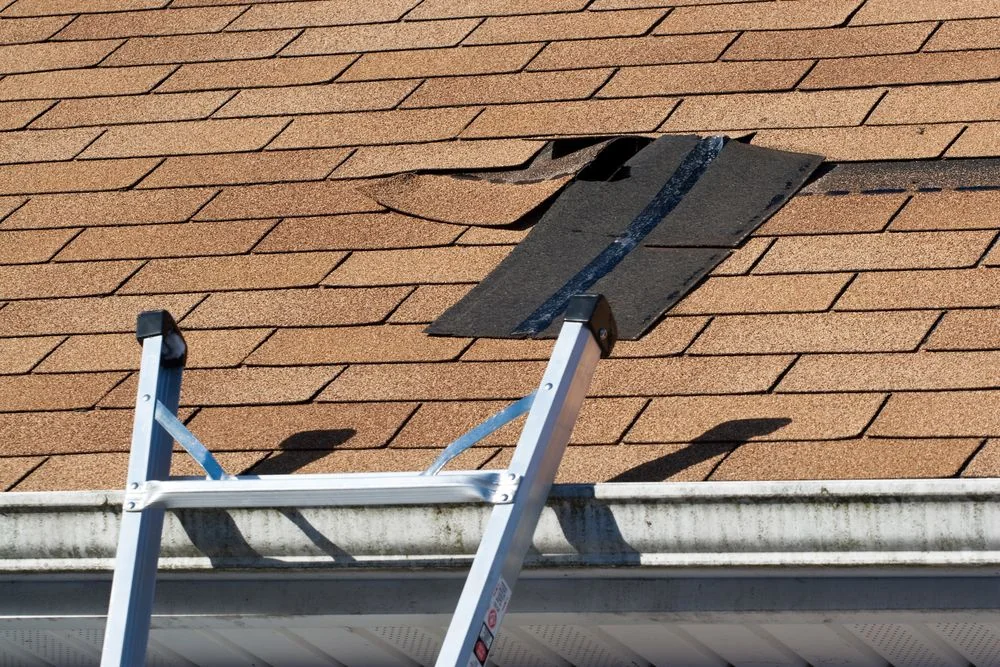
A residential addition or remodeling project involves decisions about the existing home, materials and how work will be coordinated. A useful contractor conversation starts with the changes you want and the responsibilities that need to be agreed.
Define one project scope
List the rooms or areas involved, the features you want to keep and your main priorities. Ask what is included and excluded so that separate tasks do not leave gaps between them. A written scope helps you compare proposals for the same work.
Discuss coordination and communication
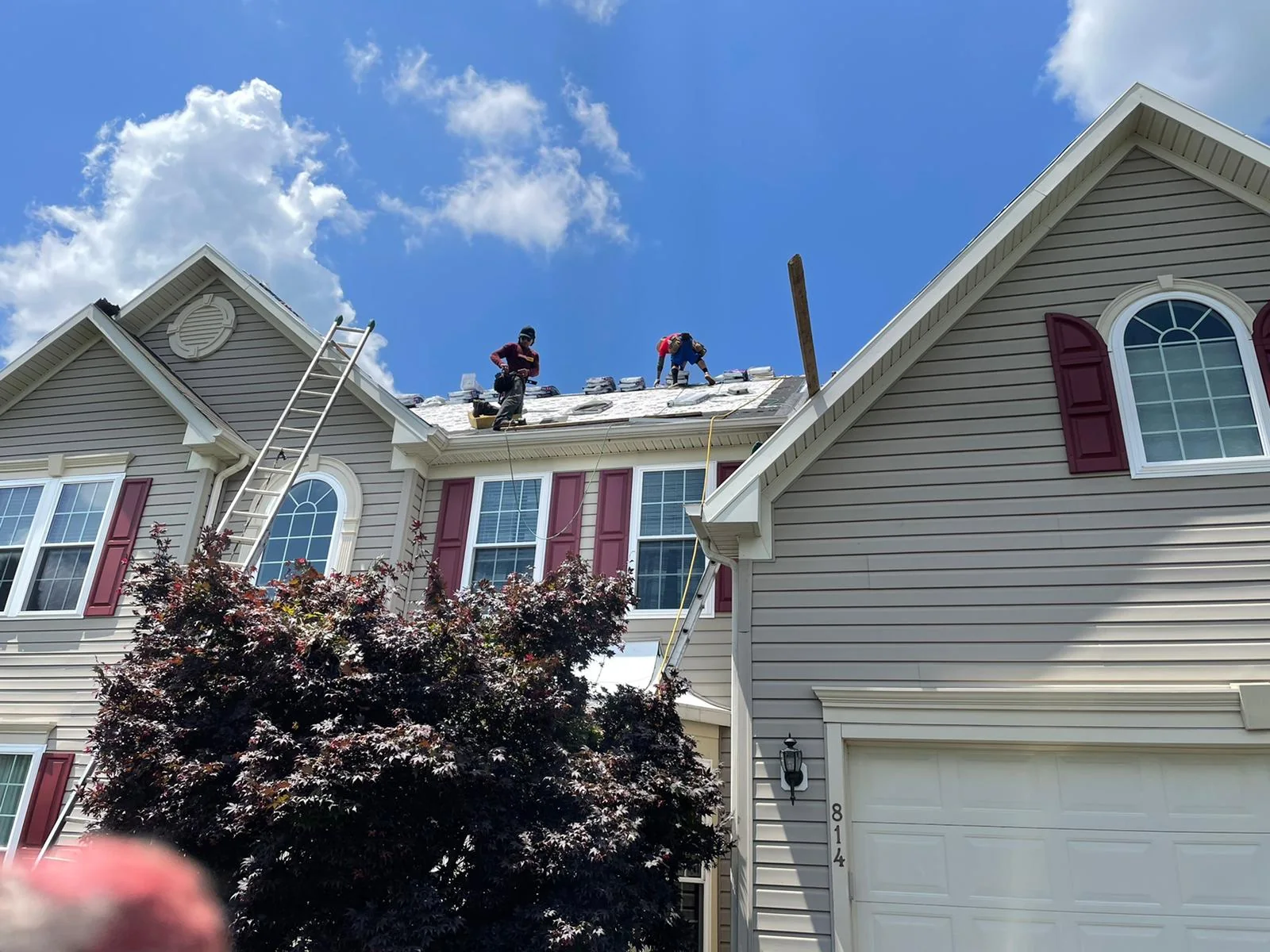
Ask who will be your contact, how selections and schedule changes will be discussed and how work in different parts of the home would be coordinated. Tell the contractor about household access needs and any other work already planned.
Clarify materials and responsibilities
Confirm who selects, purchases and provides materials, and how substitutions would be approved. Ask what design input, specialist trades, permits or inspections your project may require and who is responsible for each. These arrangements vary by project and should be confirmed before work starts.
Agree how changes will be handled
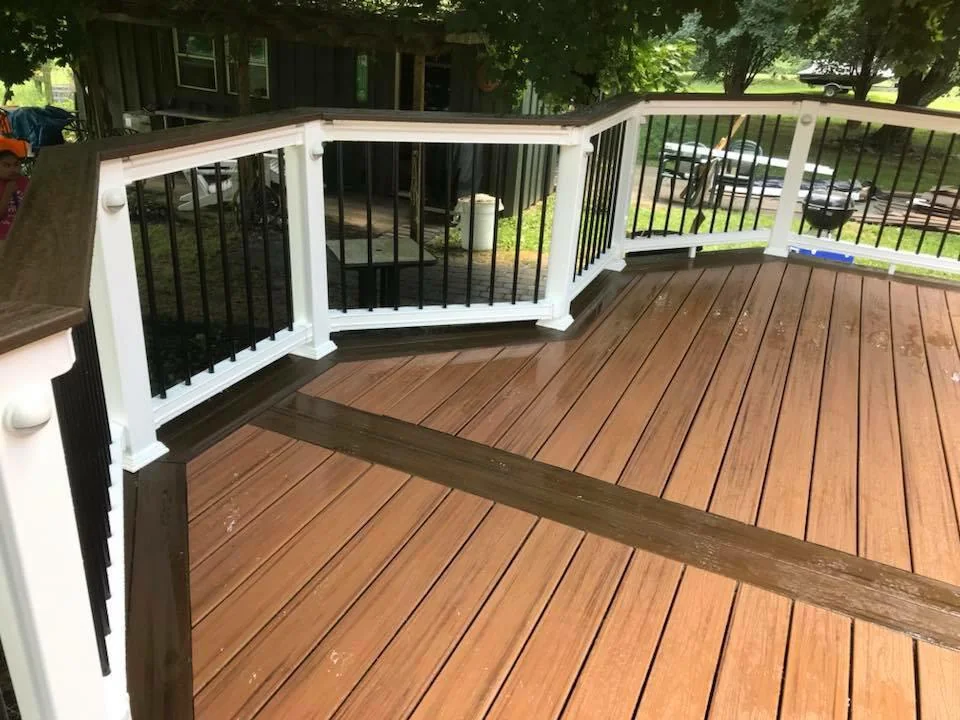
Existing conditions can raise questions once work begins. Ask how additional work would be explained, priced and approved. Keep the agreed scope, selections and changes together so everyone has the same reference.
Start with the service that matches your home
JM provides residential additions and interior remodeling, including kitchens and bathrooms. Share photos of the existing space, your location and the improvements you want to discuss.
Start with your project details
Standard homeowner estimates are free. Insurance-related estimates may carry a fee; confirm any fee with JM before requesting that work.
Share your city and state, project address, photos and priorities. JM confirms coverage for each address, with an approximate 30-minute driving area around the listed service-area cities.